Sitemizdeki deneyiminizi geliştirmek için çerez kullanıyoruz. Sitemizi kullanarak çerezlere izin vermiş olursunuz. Daha fazla
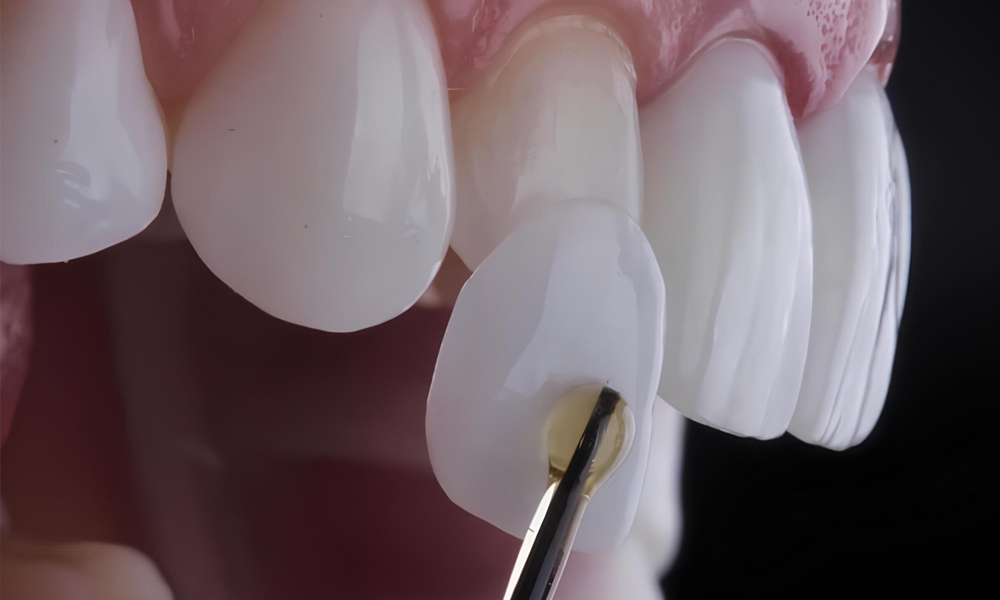
Porcelain Lamina (Laminate Veneer)
The Path to an Aesthetic Smile: What Is Porcelain Lamina?
Porcelain lamina is a revolutionary method in dental aesthetics. Commonly known as “leaf porcelain,” this technique involves bonding thin ceramic layers to the front surfaces of teeth, providing a natural, white, and harmonious smile. Offering maximum aesthetics with minimal intervention, it has become one of the most popular smile design treatments today.
How Is Porcelain Lamina Applied?
The treatment usually takes 2–3 sessions. In the first session, the dentist creates a personalized treatment plan and takes digital impressions. If necessary, a very thin layer of enamel is removed (in many cases, no trimming is needed). Then, custom porcelain laminates are prepared in a specialized laboratory. In the final session, these thin shells are permanently bonded to the front of the teeth using special adhesives.
When Is It Preferred?
Porcelain laminates are ideal in the following cases:
Teeth with discoloration or stains unresponsive to whitening treatments
Gaps between front teeth (diastema)
Teeth with shape deformities
Mild crowding or misalignment
Fractured or worn tooth surfaces
Individuals seeking a more aesthetic smile
Advantages of Porcelain Lamina
Aesthetic and Natural Appearance: High light transmittance ensures a lifelike look.
Tissue-Friendly: Compatible with gums, allowing long-term use.
Durable and Long-Lasting: With proper care, they can last 10–15 years or even longer.
Minimal Intervention: Since they only cover the front surface, the natural tooth structure is largely preserved.
Post-Treatment Care
Avoid biting very hard foods (e.g., cracking nuts).
Maintain regular oral hygiene.
Visit your dentist every 6 months.
Use a night guard if you have a teeth-grinding habit.
Frequently Asked Questions
Who cannot have porcelain laminates?
Patients with gum disease, severe decay, or excessive teeth grinding should have these issues treated first.
Can laminates fall off?
No. When applied correctly, they adhere firmly to the tooth. However, trauma or bad habits may cause them to detach.
Do laminate veneers look natural?
Yes. Porcelain laminates transmit light, making them very similar to natural teeth—often even more aesthetic.
What affects the price?
Prices vary based on material quality, dentist experience, laboratory conditions, and treatment plan.
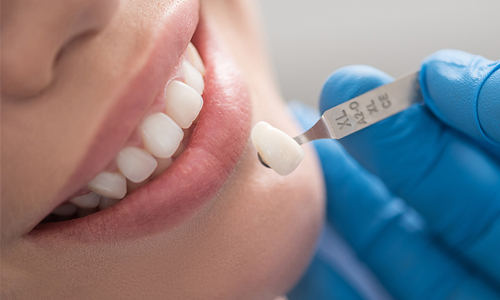
Composite Lamina
Achieve Aesthetics the Easy Way: What Is Composite Lamina?
Composite lamina is a practical, economical, and quick solution used in dental aesthetics. By applying a composite filling material directly to the tooth surface, both shape and color corrections can be made. It is an ideal method for individuals who want whiter, more uniform teeth. The form, color, and alignment of the teeth can be improved within a single session.
Compared to porcelain laminates, this method is more affordable and therefore often preferred by those who wish to achieve a beautiful smile in a short time.
How Is Composite Lamina Applied?
Composite lamina treatment is usually completed in a single session. The dentist applies and shapes layers of composite material directly on the tooth surface, then hardens it using a special light and polishes it for a smooth finish. If needed, small touch-ups are made to achieve a natural appearance.
In most cases, no tooth trimming is required during the procedure, or only minimal shaping is done. This makes it a highly conservative and tooth-friendly option.
When Is Composite Lamina Used?
To close small gaps between teeth
To lighten tooth color
To repair chipped or cracked teeth
To correct minor shape irregularities
To equalize tooth lengths
For individuals seeking an aesthetic smile
Advantages
Quick Application: Usually completed in a single session.
Affordable: More economical than porcelain laminates.
Reversible: Can be removed or repaired if needed.
Conservative: Involves minimal intervention to the natural tooth.
Natural Appearance: Provides aesthetic and realistic results using modern composite materials.
Are There Any Disadvantages?
Composite laminates are less durable than porcelain. They are more prone to staining and may lose their shine over time. Regular maintenance and dental check-ups are therefore important.
How to Care for Composite Laminates
Limit consumption of staining foods and drinks (tea, coffee, cigarettes).
Brush twice a day and use dental floss regularly.
Visit your dentist every six months.
Avoid biting hard objects.
Frequently Asked Questions
How durable is composite lamina?
With proper care, it can last 3–5 years, depending on personal habits.
Does it stain over time?
Yes, composite materials are more likely to stain than porcelain, but polishing can remove these stains.
Is the procedure painful?
No. It’s usually painless and doesn’t require anesthesia.
What if the composite breaks?
It can easily be repaired or replaced, making it a user-friendly option.
Should I choose composite or porcelain?
The best choice depends on your budget, aesthetic expectations, and dental structure—your dentist can help you decide.
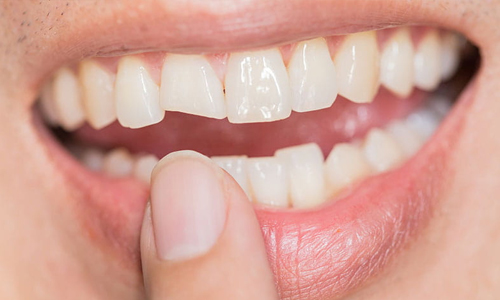
Bonding Applications
Transform Your Smile Instantly: What Is Bonding?
Bonding is a fast and effective treatment method frequently used in dental aesthetics. The procedure involves applying a special composite resin material to the tooth surface to correct aesthetic imperfections. If you have gaps between teeth, small cracks, chips, or discoloration, bonding can give you a natural-looking smile in just minutes.
Due to its affordability and the ability to deliver results in a single session, bonding is one of the most popular solutions in modern aesthetic dentistry.
How Is Bonding Applied?
Bonding usually doesn’t require anesthesia. The dentist gently roughens the tooth surface and applies a special gel to help the composite material adhere better. Then, the color-matched resin is applied to the tooth in layers, shaped, and hardened with a special light. Finally, the surface is polished to achieve a natural shine.
The entire process typically takes between 30 and 60 minutes.
When Is Bonding Used?
To close gaps between teeth (diastema)
To repair chipped or cracked teeth
To equalize tooth lengths
For minor misalignments or irregularities
To correct discoloration
To smooth enamel surface irregularities
Advantages
Fast Results: Provides an aesthetic transformation in a single visit.
Tissue-Friendly: Does not harm natural tooth structure.
Affordable: More economical than porcelain options.
Painless: Usually doesn’t require anesthesia.
Repairable: Deformations can be easily corrected over time.
Points to Consider
While bonding offers a natural aesthetic similar to real teeth, it is not as durable as porcelain. Therefore, care should be taken to maintain its appearance:
Avoid biting hard objects (e.g., nails, pens).
Limit the consumption of staining substances such as tea, coffee, and cigarettes.
Maintain regular oral hygiene and dental check-ups.
Frequently Asked Questions
How long does bonding last?
On average, 3–5 years. This period may vary depending on personal habits and maintenance.
Does bonding change color over time?
Yes, bonding material may discolor, but professional polishing can restore its brightness.
Does it cause pain or sensitivity?
Usually not. Occasionally, slight sensitivity may occur for a short time after the procedure.
Can teeth break after bonding?
Bonding is not as strong as natural enamel, so biting hard objects should be avoided.
Does bonding look natural?
Yes. With proper color selection and shaping, bonding provides a natural and aesthetic look very close to real teeth.
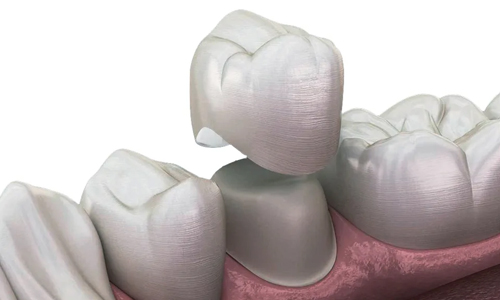
Zirconium Crown
The Secret to Strong and Aesthetic Teeth: What Is a Zirconium Crown?
Zirconium crowns are among the most preferred dental restoration methods, combining both aesthetics and durability. Compared to metal-supported porcelain crowns, zirconium provides a much more natural appearance and excellent biocompatibility, making it an ideal solution—especially for patients seeking an aesthetic look in their front teeth.
Thanks to its light-transmitting property, zirconium closely mimics the natural tooth structure. Its compatibility with oral tissues, strength, and long-lasting performance make it stand out as a premium choice in modern dentistry.
How Is a Zirconium Crown Applied?
The treatment typically takes 2–3 sessions. In the first session, the teeth are prepared (shaped) and impressions are taken. Based on these measurements, zirconium-based crowns are fabricated in a specialized laboratory. During the final session, the crowns are permanently bonded to the teeth with special adhesives.
Using digital impression systems and CAD/CAM technology, zirconium crowns are customized to deliver both aesthetic and functional excellence for each individual.
Who Can Get Zirconium Crowns?
Zirconium crowns are suitable for:
Individuals seeking an aesthetic smile
Those with tooth discoloration
Patients with misshapen or misaligned teeth
People with fractured or worn teeth
Patients with metal allergies
Those undergoing smile design treatments
Advantages of Zirconium Crowns
Natural Appearance: High translucency gives a lifelike, natural look.
Metal-Free: No risk of allergies and perfectly compatible with the gums.
Color Stability: Resistant to staining or discoloration over time.
Long Lifespan: Highly durable and can last for many years with proper care.
Aesthetic Smile Design: Can be custom-shaped to match the patient’s smile line.
Care and Maintenance Tips
Brush your teeth at least twice a day.
Avoid biting very hard foods.
If you have a teeth-grinding habit, use a night guard.
Visit your dentist every six months for routine check-ups.
Frequently Asked Questions
What’s the difference between zirconium and metal-supported porcelain crowns?
Zirconium crowns allow light transmission, providing a more natural appearance. They contain no metal and are fully compatible with the gums. Metal-based porcelain can create a grayish reflection over time—zirconium does not.
How durable are zirconium crowns?
When properly maintained, they can last 10–15 years or longer. Regular dental check-ups are recommended, especially for patients with teeth-grinding habits.
Does the procedure cause pain?
No. Local anesthesia is applied during the procedure, so there’s no pain. Some temporary sensitivity may occur afterward but usually subsides quickly.
Can zirconium crowns fall off?
No. They are securely bonded with special adhesives. However, trauma, decay, or adhesive failure could cause issues.
Can zirconium crowns be used on front teeth?
Yes. Due to their natural, aesthetic appearance, they are frequently preferred for front teeth restorations.
E-max Crowns
The Ultimate Solution for Perfect Aesthetics: What Is an E-max Crown?
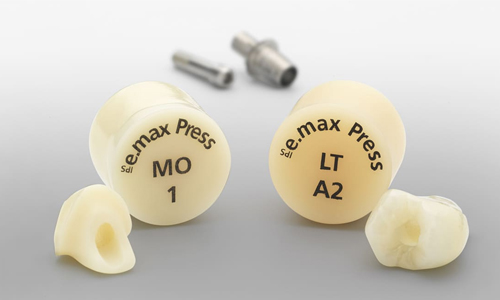
E-max crowns are special dental restorations made of lithium disilicate glass-ceramic — a material known for offering the highest level of natural transparency and light transmission in dental aesthetics. Providing outstanding aesthetics especially in the front teeth, E-max crowns are considered superior to porcelain and zirconium alternatives in terms of both beauty and strength.
They are ideal for patients who do not have severe tooth deformities but seek a flawless, natural-looking smile.
How Is an E-max Crown Applied?
The E-max treatment is typically completed in 2–3 sessions. In the first session, impressions are taken, and digital designs are created. The restorations are then individually produced in the laboratory for optimal aesthetics and function. In the final session, the crowns are permanently bonded with special adhesives.
E-max can be applied both as full crowns or as laminates (veneers for the front surface). It is highly compatible with tooth structure and completely safe for oral tissues.
When Is E-max Preferred?
When perfect aesthetics are desired for the front teeth
In cases of severe tooth discoloration
When laminates alone cannot provide sufficient coverage
For patients with fractures or shape irregularities in the teeth
When metal-supported restorations are not desired
Advantages of E-max Crowns
Superior Aesthetics: Highest light transmittance — indistinguishable from natural teeth.
Metal-Free: Fully biocompatible ceramic with no allergy risk.
High Durability: Offers both strength and beauty.
Gum-Friendly: Perfectly compatible with gum tissue; does not cause irritation.
Color Stability: Retains its whiteness and brightness over time.
Post-Treatment Care
Brush your teeth twice daily and use dental floss regularly.
Avoid biting very hard foods.
Use a night guard if you suffer from teeth grinding or clenching.
Visit your dentist every 6 months for regular check-ups.
Frequently Asked Questions
What’s the difference between E-max and zirconium?
E-max provides a more natural, aesthetic appearance, while zirconium offers greater durability. E-max is preferred for front teeth due to its superior translucency; zirconium is often used for molars.
Are E-max crowns durable?
Yes. E-max crowns are highly durable and aesthetic. With proper care, they can last up to 10 years without problems.
Can every patient get E-max crowns?
No. Patients with severe clenching or bruxism may require more durable materials such as zirconium.
Is the E-max procedure painful?
No. The procedure is performed under local anesthesia. Mild sensitivity afterward is normal and temporary.
Can E-max crowns fall off?
Not under normal conditions. If applied correctly, they stay firmly in place. However, trauma or decay may cause detachment.
Pink Aesthetics
The Hidden Hero of an Aesthetic Smile: What Is Pink Aesthetics?
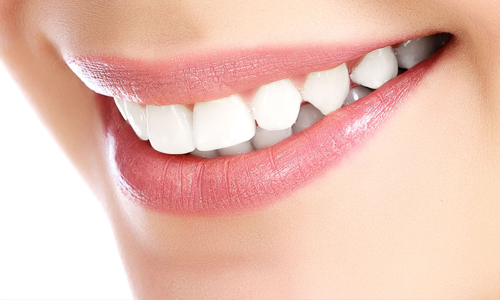
Smile aesthetics are not limited to the color, shape, or alignment of the teeth — the appearance of the gums also plays a crucial role in creating a beautiful smile. Healthy, symmetrical, and well-balanced gums form the foundation of what is known as “pink aesthetics.”
Pink aesthetics focuses on correcting and reshaping the gums to create a healthier, more harmonious, and natural smile. Issues such as excessive gum display, gum recession, asymmetry, or dark-colored gums can all be corrected with this treatment.
When Is Pink Aesthetics Applied?
Gummy smile (excessive gum display while smiling)
Gum asymmetry (different levels on right and left sides)
Gum recession causing aesthetic imbalance
Short-looking teeth due to gum position
Dark or inflamed gum tissues
Pre-treatment adjustments before smile design procedures
Treatment Methods
Pink aesthetic procedures can vary depending on the patient’s needs:
Laser Gum Contouring: The gums are reshaped symmetrically using laser technology, correcting excessive gum visibility.
Gum Pigmentation Treatment: Dark gums are lightened using special depigmentation techniques.
Frenectomy: Used when a tight upper lip frenum causes gaps or gum recession.
Tissue Grafting: In cases of gum recession, additional tissue may be placed.
Orthodontic or Prosthetic-Assisted Pink Aesthetics: Achieves balance with tooth alignment or veneers.
Advantages
Healthier and more natural-looking smile
Balanced harmony between teeth and gums
Prevention of gum diseases
Quick recovery and minimally invasive procedure
Complements the overall smile design
Healing Process
Laser-assisted treatments typically don’t require stitches and heal very quickly. Most patients can resume daily activities on the same day. Mild gum sensitivity may occur for a few days, and maintaining oral hygiene as advised by the dentist is essential.
Frequently Asked Questions
Is pink aesthetics a permanent solution?
Yes. When performed correctly, gum reshaping provides long-lasting results. However, poor oral hygiene can cause new issues over time.
Is the procedure painful?
No. It is performed under local anesthesia. Laser technology minimizes both pain and bleeding.
How long is the healing period?
Most patients recover completely within 3–7 days. Healing is even faster with laser treatment.
Can everyone have gum aesthetics?
Yes. It can be applied to anyone with good general health and without severe gum disease.
What should be considered after treatment?
The gum area may be sensitive for a short time. Avoid harsh brushing, hot or cold foods, and smoking. Follow your dentist’s post-treatment care instructions carefully.
Smile Design
A Perfect Smile, Just for You: What Is Smile Design?
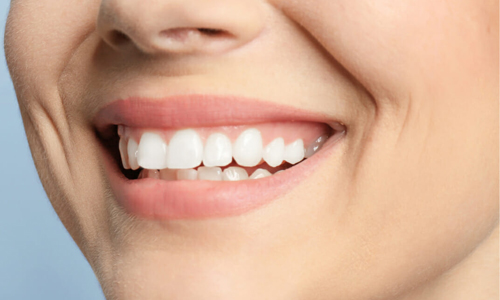
Smile design is an aesthetic dental procedure planned by considering various factors such as the person’s facial features, lip shape, tooth color, gum appearance, and oral structure. The goal is to create a personalized, natural, and aesthetically pleasing smile.
It is not only about perfecting the teeth — smile design ensures harmony between the teeth, gums, lips, and overall facial symmetry. This comprehensive approach enhances both appearance and self-confidence. The process is shaped through collaboration between the dentist and the patient, taking into account the patient’s character, expectations, and facial anatomy.
How Is Smile Design Performed?
The treatment consists of several stages:
Analysis and Planning: The oral and facial structure is evaluated through photos, videos, and digital scans. A customized digital smile design is created according to facial proportions and personal preferences.
Dental and Gum Treatments: If necessary, procedures such as gum contouring (pink aesthetics), teeth whitening, laminate veneers, or crowns are applied.
Digital Mock-Up: The expected result is shown in advance via digital simulation. After patient approval, the treatment begins.
Final Application: Once all steps are completed, a harmonious, functional, and aesthetic smile is achieved.
Who Can Benefit from Smile Design?
Individuals dissatisfied with the shape, color, or alignment of their teeth
People with excessive gum display when smiling (gummy smile)
Those with gaps, crowding, or broken front teeth
Patients with discolored or worn teeth
Anyone seeking a younger, healthier, and more aesthetic look
Methods Used in Smile Design
Each treatment plan is customized according to individual needs. Commonly used techniques include:
Porcelain or composite veneers
Zirconium or E-max crowns
Teeth whitening (bleaching)
Pink aesthetics (gum contouring)
Orthodontic treatments
Bonding applications
Advantages
Natural and personalized aesthetic results
Restores confidence through a healthy smile
Improves overall dental and gum health
Creates facial harmony and balance
Predictable results through digital planning
Frequently Asked Questions
Is smile design permanent?
Yes. Veneers, crowns, and aesthetic treatments are long-lasting. With proper care and regular dental visits, their lifespan can be further extended.
How long does it take?
The duration depends on the procedures involved. Some cases may be completed within 2–3 sessions, while orthodontic treatments may take several months.
Is it painful?
No. The procedures are performed under local anesthesia and are generally painless. Only minor temporary sensitivity may occur.
Will the results look natural?
Absolutely. With digital smile design, the final outcome is pre-planned, resulting in a natural and realistic appearance.
Can everyone have smile design?
Yes, anyone in good general health without active oral infections can undergo this treatment.
Teeth Whitening
For Whiter and Brighter Smiles: What Is Teeth Whitening?
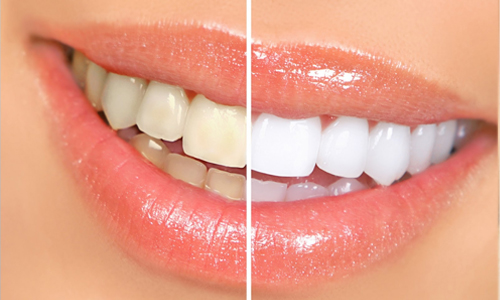
Teeth whitening (bleaching) is the process of lightening teeth that have become yellowed or stained over time using professional whitening techniques. The goal is to achieve a healthy and aesthetic appearance without damaging the natural tooth structure. As one of the most popular cosmetic dental procedures today, teeth whitening is widely preferred for its quick and safe results.
Factors such as coffee, tea, smoking, and consumption of colored foods and beverages can cause discoloration over time. Teeth whitening removes these stains, restoring the teeth to their natural, brighter shade.
Types of Teeth Whitening
Teeth whitening can be performed either in a dental clinic or at home:
In-Office Whitening (Professional Whitening)
Performed by a dentist using a special gel and light source. Results are achieved within a single session, with teeth lightened by 2–3 shades. It offers fast and effective results.
At-Home Whitening
Personalized trays and whitening gels provided by the dentist are used at home. With 4–6 hours of daily use, noticeable results can be achieved within about a week.
Combined Whitening
A combination of in-office and at-home techniques for patients seeking long-lasting results.
Who Can Have Teeth Whitening?
Individuals unhappy with the color of their teeth
People whose teeth have yellowed due to coffee, tea, or smoking
Those seeking a bright smile for an upcoming event (wedding, graduation, etc.)
Individuals with naturally darker tooth shades
Patients planning a smile design after whitening
Advantages of Teeth Whitening
Fast and effective results
Safe and non-damaging to enamel
Enhances confidence through a brighter smile
Cost-effective aesthetic solution
Long-lasting results with combined methods
Aftercare Recommendations
For 48 hours after treatment, follow a “white diet” (avoid coffee, tea, cigarettes, red wine, tomato sauce, and other colored foods).
Brush your teeth at least twice daily.
Use dentist-recommended maintenance products.
Attend regular dental check-ups.
Frequently Asked Questions
Is teeth whitening harmful?
No. When performed under professional supervision, whitening does not damage enamel. It is completely safe when applied with the correct dosage and timing.
How many shades whiter will my teeth get?
Usually between 2–4 shades, depending on your natural tooth color and the method used.
Are the results permanent?
The whitening effect is long-lasting but may fade over time depending on lifestyle. A touch-up every 6–12 months can maintain the brightness.
Is the procedure painful?
No. Most patients experience no pain, though mild temporary sensitivity may occur and typically disappears within 1–2 days.
Can everyone have whitening treatment?
Whitening is not recommended for pregnant or breastfeeding women, or for teeth with large fillings, cracks, or gum disease. A dental examination should always be done to assess suitability.
