Sitemizdeki deneyiminizi geliştirmek için çerez kullanıyoruz. Sitemizi kullanarak çerezlere izin vermiş olursunuz. Daha fazla
Every Smile Has Its Story: Personalized Dental Approaches for You
In dentistry, every patient has unique needs, expectations, and oral structures. The “Special Topics” category covers personalized treatment processes designed for cases that go beyond classical dental procedures — situations requiring a multidisciplinary approach or cases that cannot be resolved with standard methods.
Sometimes, a patient’s expectations, medical condition, oral anatomy, or previous dental treatments require expertise and planning that exceed conventional dental procedures. The “special topics” approach focuses entirely on patient-specific, individualized care — offering a tailor-made treatment journey.
Which Cases Fall Under “Special Topics”?
-
Complex implant treatments (such as bone resorption or sinus sagging)
-
Combined cases involving smile design and aesthetic rehabilitation
-
Multimodal treatments (e.g., aligner orthodontics + veneers)
-
Advanced temporomandibular joint (TMJ) disorders
-
Bruxism (teeth grinding) and night guard applications
-
Digital dentistry (3D scanning, CAD/CAM-assisted restorations)
-
Use of metal-free materials for patients with allergies
-
Individuals seeking both medical and aesthetic outcomes
How Is a Personalized Treatment Plan Created?
-
Comprehensive Oral Examination: Radiographic evaluation and digital scans are performed.
-
Listening to the Patient’s Expectations: Lifestyle, medical history, and aesthetic goals are analyzed.
-
Multidisciplinary Assessment: Specialists collaborate (implantology, orthodontics, periodontology, etc.).
-
Customized Treatment Plan: Each step of the process is clearly explained and individually applied.
Advantages
-
Provides effective, patient-specific solutions
-
Allows multiple issues to be addressed in one plan
-
Ensures high patient satisfaction and long-term success
-
Supported by the latest dental technologies
-
Achieves both functional and aesthetic harmony
Treatment Duration and Process
Since “special topics” often involve multiple disciplines, treatment times can be longer. However, thanks to detailed pre-treatment planning, the process remains predictable. Patients are informed step by step, and each stage is personalized according to their needs.
Frequently Asked Questions
-
Which treatments are included under special topics?
Combined or advanced procedures such as implants, orthodontics, veneers, TMJ therapy, and digital dentistry fall under this category. -
Does every patient require a special treatment plan?
No. Personalized planning is reserved for complex cases that require additional expertise or advanced technology beyond standard methods. -
Does the treatment process take longer?
It depends on the case. However, because everything is pre-planned, both timing and cost are clearly communicated from the start. -
Are special treatments more expensive?
Since they are comprehensive and customized, costs may vary from standard treatments. Nonetheless, all details are transparently shared with the patient beforehand. -
What is digital planning?
It is an advanced technological process using 3D scanning and computer-assisted software to ensure precision, speed, and predictable results.
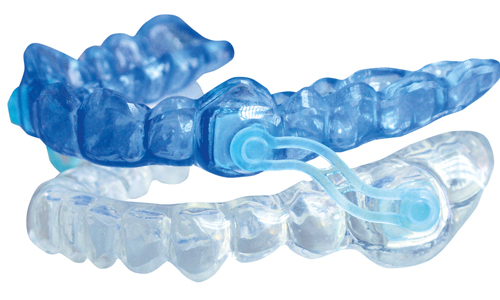
Sleep Apnea Treatment
Stop the Silent Danger: What Is Sleep Apnea?
Sleep apnea is a serious health condition characterized by temporary pauses or reductions in breathing during sleep. The most common type, obstructive sleep apnea (OSA), occurs when the soft tissues in the upper airway relax and block airflow. This interruption can happen multiple times throughout the night, reducing sleep quality and leading to serious problems such as heart disease, high blood pressure, depression, and excessive daytime fatigue.
Dentistry offers effective solutions for mild to moderate cases of sleep apnea, especially through the use of oral appliances designed to keep the airway open during sleep.
Symptoms of Sleep Apnea
Loud and irregular snoring
Feeling of breathlessness or sudden awakening during the night
Waking up tired or with headaches
Constant daytime sleepiness
Difficulty concentrating and forgetfulness
Irritability and mood changes
Dry mouth and sore throat
Causes of Sleep Apnea
Excess weight and fat accumulation around the neck
Receding lower jaw
Enlarged tonsils or uvula
Smoking and alcohol consumption
Nasal obstructions
Excessive use of sleeping pills and muscle relaxants
Dental Treatment for Sleep Apnea
In mild and moderate obstructive sleep apnea cases, specially designed oral appliances (sleep splints) provide successful results. These devices:
Move the lower jaw forward to prevent the tongue from falling back
Keep the airway open throughout the night
Make breathing easier during sleep
Significantly reduce snoring
These appliances are custom-made for each patient and worn during sleep. They provide a comfortable and portable alternative to complex systems like CPAP machines.
What Happens If Sleep Apnea Is Not Treated?
If left untreated, sleep apnea can lead to severe health problems over time:
High blood pressure and heart disease
Increased risk of stroke
Development of type 2 diabetes
Sudden death during sleep
Higher risk of traffic and work accidents
Depression and anxiety disorders
For this reason, symptoms should not be ignored, and diagnosis and treatment should be carried out in cooperation with an ENT specialist and a dentist.
What Does the Dentist Do in Sleep Apnea Treatment?
Evaluates the patient’s medical history and symptoms of snoring and apnea
Refers the patient for a sleep test (polysomnography) if necessary
Designs a custom-made oral appliance that positions the lower jaw forward in mild to moderate cases
Monitors progress through regular follow-ups
Frequently Asked Questions
Is visiting a dentist enough for sleep apnea treatment?
Yes, for mild to moderate cases. However, an initial diagnosis by an ENT or pulmonologist is recommended.
Should the sleep appliance be worn every night?
Yes. Regular nightly use is necessary to ensure effectiveness.
Is the appliance painful or uncomfortable?
No. Since it’s custom-made, patients usually adapt quickly. A slight feeling of pressure may occur at first.
Does it also reduce snoring?
Yes. Sleep appliances significantly reduce both apnea and snoring.
Can I travel with the appliance?
Yes. It’s portable and very easy to use, making it ideal for travel.
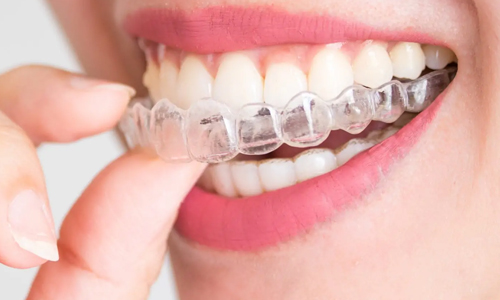
Bruxism Treatment
You Might Be Damaging Your Teeth Without Realizing It
Bruxism is the involuntary habit of clenching or grinding the teeth, often occurring during sleep. Over time, it can lead to problems such as tooth wear, jaw pain, headaches, and tension in the facial muscles. Stress and anxiety are among the main triggers, while jaw misalignment and sleep disorders can also increase the severity of bruxism.
If left untreated, bruxism can negatively affect both oral health and overall quality of life. However, with proper diagnosis and treatment, it is entirely manageable.
Symptoms of Bruxism
Jaw pain or fatigue in the morning
Tooth wear, cracks, or fractures
Head, neck, or facial pain
Ringing or fullness in the ears
Gum recession
Grinding noises during sleep (often noticed by a partner)
Limited mouth opening or jaw locking
Causes of Bruxism
Stress and anxiety
Sleep disorders (sleep apnea, restless leg syndrome, etc.)
Bite misalignment (malocclusion)
Missing teeth or ill-fitting dentures
Neurological conditions
Side effects of certain medications
Burnout or emotional trauma
Treatment of Bruxism
Night Guard (Splint) Therapy
Custom-made night guards prepared by dentists prevent teeth from grinding against each other and reduce tension on the jaw muscles. Regular use helps relax the muscles, protect the teeth, and relieve pain.
Muscle Relaxation and Supportive Therapies
In some cases, physiotherapy, Botox injections, or massage therapy may be recommended to relax the jaw and facial muscles, in addition to using a night guard.
Psychological Support and Stress Management
For stress-related bruxism, psychological therapy, breathing exercises, meditation, and lifestyle changes can be highly effective.
Dental and Jaw Adjustments
Correcting bite problems through replacing missing teeth or adjusting high fillings and ill-fitting prosthetics helps eliminate mechanical causes.
Benefits of Bruxism Treatment
Prevents further tooth wear and damage
Relaxes jaw muscles and reduces pain
Decreases headaches and facial pain
Improves sleep quality
Provides psychological relief
Prevents joint disorders caused by chronic clenching
Frequently Asked Questions
Can bruxism be completely cured?
Symptoms greatly improve when stress is managed and night guards are used consistently. Long-term improvement requires regular follow-up and a multidisciplinary approach.
Do I need to wear my night guard every night?
Yes. Consistent use protects the jaw muscles and prevents tooth damage.
Will the night guard straighten my teeth?
No. A night guard prevents clenching and grinding; it is not the same as orthodontic treatment.
Can Botox be used for teeth clenching?
Yes. Botox injections into the jaw muscles help prevent excessive contraction and relieve tension.
Does bruxism occur in children?
Yes. It can appear during stressful periods, tooth transition phases, or in children with sleep disturbances.
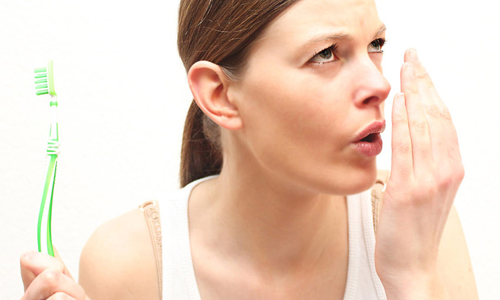
Halitosis Treatment
A Fresh Breath Begins with a Healthy Mouth
Bad breath (halitosis) is a common problem that negatively affects both personal and social life. While temporary bad breath may result from hunger, smoking, or certain foods, persistent bad breath can be a sign of an underlying oral health issue.
The most common causes include tooth decay, gum disease, bacterial buildup on the tongue, and poor oral hygiene. To eliminate persistent and unpleasant odors, a professional evaluation by a dentist is essential.
Causes of Bad Breath
Tooth decay and old fillings
Gum diseases (gingivitis, periodontitis)
Bacterial plaque on the tongue
Poor oral hygiene
Dry mouth (lack of saliva)
Smoking and alcohol consumption
Hunger and irregular eating habits
Digestive system disorders
Upper respiratory infections such as sinusitis or tonsillitis
How Is Bad Breath Diagnosed?
During a dental examination, the dentist will:
Check gum health
Evaluate tooth decay and old fillings
Examine tongue hygiene
Perform an oral microorganism analysis if necessary
Refer to a specialist if a systemic condition is suspected
Treatment Methods for Bad Breath
Professional Dental Cleaning (Scaling)
Dental plaque and tartar buildup are major causes of bad breath. A professional cleaning removes these deposits.
Treatment of Tooth Decay and Replacement of Fillings
Decayed teeth are treated, and leaking or old fillings are renewed.
Treatment of Gum Diseases
Advanced gum diseases are treated to eliminate inflammatory sources in the mouth.
Tongue Cleaning
Specially designed tongue brushes or scrapers are used to ensure tongue hygiene.
Managing Dry Mouth
Drinking plenty of water, chewing sugar-free gum, and using saliva-stimulating products are recommended.
Mouth Rinses and Oral Hygiene Education
The use of antibacterial mouthwashes and proper brushing techniques reinforce oral hygiene.
Identifying Underlying Systemic Causes
If bad breath is linked to reflux, diabetes, or kidney failure, the patient is referred for medical evaluation.
Can Bad Breath Be Prevented?
Yes! Most cases of bad breath can be prevented through simple oral hygiene habits:
Brushing teeth at least twice a day
Using dental floss or interdental brushes once a day
Cleaning the tongue regularly
Drinking plenty of water
Using mouthwash
Visiting the dentist every six months
Frequently Asked Questions
Is bad breath only caused by teeth?
No. It often originates in the mouth, but systemic issues like stomach, sinus, or liver problems can also be responsible.
Will I have bad breath if I don’t use dental floss?
Yes. Food particles stuck between teeth can cause odor if not cleaned properly.
Is tongue cleaning really necessary?
Absolutely. Bacterial buildup on the tongue is one of the main sources of bad breath.
Can mouthwash completely eliminate bad breath?
It can temporarily mask the odor, but lasting results require treating the underlying cause.
Which doctor should I see for bad breath?
Start by visiting a dentist. If necessary, you may be referred to an ENT or gastroenterologist.
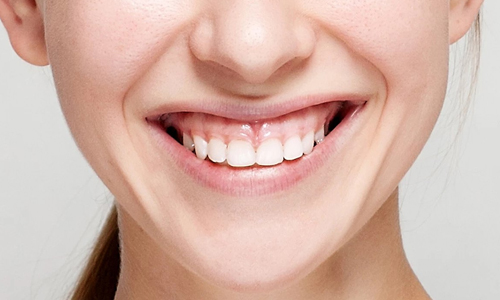
Gummy Smile Treatment
Don’t Let Excess Gum Tissue Overshadow Your Smile
When the gums show more than usual while smiling, the condition is called a “gummy smile.” Although it is not a health problem, it can cause aesthetic discomfort and loss of confidence. A gummy smile can result from various factors such as genetics, muscle activity, dental alignment, or lip position.
Thanks to advances in aesthetic dentistry, gummy smile treatment is now easy, effective, and minimally invasive. The treatment is planned individually, taking into account the patient’s facial structure, gum condition, and smile line, providing both functional and aesthetic improvement.
Causes of Gummy Smile
Excessive gum growth (gingival hyperplasia)
High or hyperactive upper lip
Structural prominence or elongation of the upper jaw (vertical maxillary excess)
Short or partially erupted teeth
Orthodontic disorders
Genetic predisposition
Treatment Methods for Gummy Smile
The treatment plan depends on the underlying cause. Common approaches include:
Gum Contouring (Gingivectomy / Gingivoplasty)
Under local anesthesia, excess gum tissue is reshaped using a laser or scalpel to create a more symmetrical smile line.
Botox Application
Botox injections applied to the muscles that lift the upper lip limit its movement, reducing gum exposure. The effect lasts about 4–6 months.
Orthodontic Treatment
If the gummy smile is caused by tooth position or bite problems, braces can realign the teeth for a balanced appearance.
Orthognathic Surgery
In severe cases caused by jaw structure, surgical repositioning of the jaw bones may be required.
Laser Aesthetic Procedures
Laser gum reshaping is a painless and fast method with a short healing period.
Who Can Benefit from Gummy Smile Treatment?
Individuals with noticeably visible gums when smiling
Those seeking aesthetic smile design
Patients with gum asymmetry
People with short or partially erupted teeth
Individuals seeking aesthetic refinement after orthodontic treatment
Post-Treatment Care
Avoid hot or cold foods on the first day
Prefer soft foods after gum contouring
Maintain good oral hygiene during healing
Attend all follow-up appointments as advised
Avoid excessive facial movement for a few hours after Botox
Frequently Asked Questions
Is a gummy smile a health or aesthetic issue?
It is usually an aesthetic concern. However, if jaw irregularities are present, orthodontic or surgical treatment may be needed.
Is laser gum reshaping painful?
No. It’s performed under local anesthesia and is generally painless with a fast recovery.
Is Botox a permanent solution?
No. Botox is temporary and lasts around 4–6 months. Surgical gum correction offers a more permanent result.
How many sessions does gummy smile treatment take?
It depends on the method. Laser treatment can be completed in one session, while orthodontic treatments may take several months.
Is the same treatment applied to all patients?
No. Every smile is unique. A personalized treatment plan is created after a detailed examination.
